An individual with a low-deductible plan, on the other hand, will likely have a greater premium but a lower deductible. High-deductible insurance coverage strategies work well for people who anticipate very couple of medical costs. You might pay less money by having low premiums and a deductible you seldom require. Low-deductible strategies benefit individuals with chronic conditions or households who anticipate the requirement for several trips to the medical professional each year.
The answer to this concern depends largely on how numerous individuals you are insuring, how active you are, and the number of physician gos to you anticipate in a year. A high-deductible plan is excellent for individuals who hardly ever check out the doctor and wishes to restrict their month-to-month expenses. If you choose a high-deductible plan, you must be good at conserving money so that you are prepared to pay any medical costs up front.
These plans are also an excellent option for a person with a persistent medical condition. Planned sees such as well check outs, check-ups on persistent conditions, or expected emergency situation requirements can quickly include up if you are on a high-deductible plan. A low-deductible strategy lets you better handle your out-of-pocket costs.
Numerous business provide individually guidance therapy to help you comprehend your alternatives, weigh your dangers, and select a plan that's right for you.

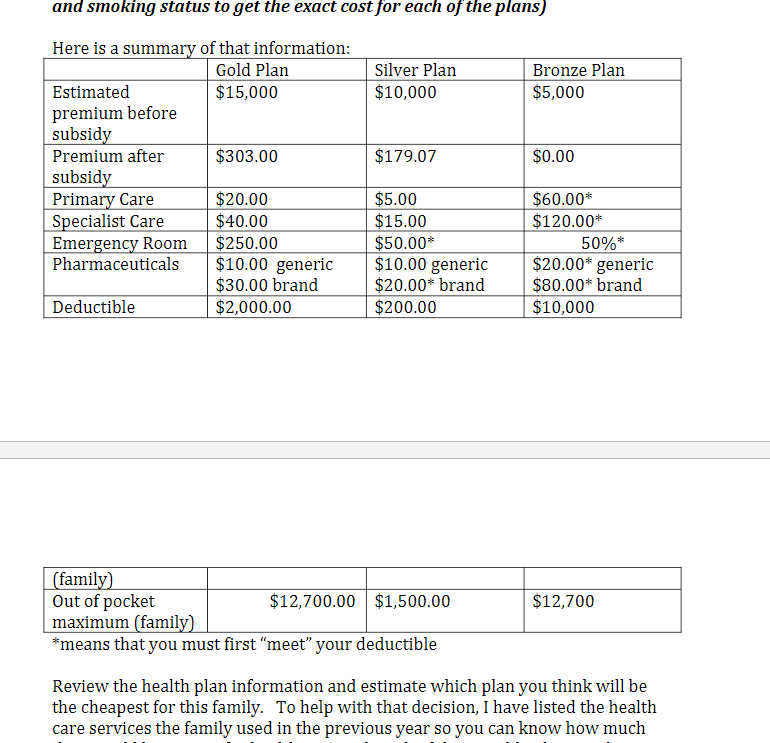
A high deductible health plan (HDHP) has lower month-to-month premiums and a higher deductible than other medical insurance strategies. For 2020, the Internal Earnings Service (Internal Revenue Service) defines an HDHP as one with a deductible of $1,400 or more for a private or $2,800 or more for a family. Learn the attributes of an HDHP and its prospective benefits and disadvantages compared with other health insurance coverage alternatives.
However as the name recommends, the deductibles are greater than those for a standard strategy, and you will require to settle your significant yearly deductible before your insurance supplier will begin spending for any of your health expenditures. An employer-sponsored HDHP may be matched with a health cost savings account (HSA) or health reimbursement arrangement (HRA).
However, HSA funds generally can not be utilized to spend for health insurance premiums. Companies may likewise contribute to a worker's HSA. Just workers with an HDHP can participate in an HSA. An HRA is funded by a company to make it possible for employees to pay themselves backwith tax-free moneyfor medical expenses they've sustained.
All About What Is Gap Insurance And What Does It Cover
HRA funds might in many cases be used to pay for medical insurance premiums. Money in an HSA or HRA can be rolled over and utilized in a subsequent year. The deductibles for an HDHP are frequently higher than the minimums of $1,400 (individual) and $2,800 (family). They may be as high as the optimum out-of-pocket (OOP) costs, which are $6,900 for a private and $13,800 for a family in 2020.
All plans purchased through an Affordable Care Act (ACA) Marketplace and a lot of plans purchased through other ways are required to cover certain preventive services at an in-network company despite how much of your deductible you've paid - how much is an eye exam without insurance. HealthCare. gov provides lists of those covered preventive services for grownups of both sexes and those specifically for women and children.
The initial list of preventive services was released in 2004, and extra services were included 2019. If you are healthy, do not visit the physician typically, and do not have a big family, an HDHP may be the most economical kind of health insurance strategy for you. If you do not have an existing medical condition, you might not need to pay a lot of medical expenses during a given year and you may discover an HDHP works for you.
It's not constantly possible, but if you select to purchase an HDHP (and with some companies, this may be your only option), you need to ideally have adequate cash on hand to cover your deductible and other OOP expenses. The apparent downside to an HDHP is that you are accountable for settling your high deductible while also paying your monthly premiums, which, although likely lower than those for standard insurance plans, might not be quickly affordable.
The average lowest-cost, bronze-level, regular monthly premium for a 40-year-old is $331 in 2020. Some people with an HDHP postpone or forgo required medical treatment since they don't have the money to pay for it and they have not paid off their deductible. In a study carried out by the Kaiser Household Structure that was reported in June 2019, half of adults said either they or a member of the family had postponed or gone without medical care (consisting of dental care) because they could not afford the expenditure.
A high deductible health insurance has lower regular monthly premiums and a greater deductible than other strategies. For 2020, the IRS specifies an HDHP as one with a deductible of $1,400 or more for a specific or $2,800 or more for a household. A health savings account or health repayment arrangement can assist you cover the expenses of health care.
Many or all of the products featured here are from our partners who compensate us. This might influence which products we write about and where and how the product appears on a page. However, this does not affect our examinations. Our opinions are our own. If you're deciding between a low- and a high-deductible health insurance (HDHP), there's more to think about than deductibles and regular monthly premiums.
The Ultimate Guide To How Much Is An Eye Exam Without Insurance
The logic is that if you are accountable for medical costs upfront, you'll do a bit more work to find lower-cost providers cutting expenditures for you and your insurer. That hasn't turned out for many individuals. Although customers with HDHPs do tend to minimize expenses, they do so by skipping out on care, according to the Urban Institute.
Whether you select a strategy with a low or high deductible, don't do so at the cost of your health. Here's what you should think about when choosing in between a low- and high-deductible health http://troyjmup039.raidersfanteamshop.com/not-known-facts-about-when-is-open-enrollment-for-insurance plan. First, let's review some fundamental health insurance coverage terms. Knowing these will assist you understand the distinction between plan types and make a better choice.
The quantity you have to pay upfront for your medical care, with the exception of some complimentary preventive care, before insurance kicks in. After you meet your deductible, your insurance provider starts paying a bigger portion of charges. A cap on just how much you'll need to invest for medical care in a year, not including premiums, so long as you remain within your insurance network.
Deductible amounts are the apparent distinction between low- and high-deductible health insurance. Many high-deductible health plans, especially those with the most affordable premiums, have deductibles near to their out-of-pocket limits, typically $5,000 or more. Premium costs vary, however plans with greater deductibles tend to have lower monthly premiums than those with lower deductibles.
Just individuals with qualifying HDHPs are eligible to open and add to HSAs. HSAs are tax-advantaged, meaning that you can direct funds from your paycheck into an HSA pretax, or you can include the cash post-tax and subtract taxes later. An employer might likewise add to your HSA. HSA money earns interest, can be invested in stocks or shared funds, and spent on any certifying medical expenditure, as defined by the IRS.